Category: National news

Australian Design Alliance surges ahead

On 6 February members of the Australian Design Alliance (AdA), including the Institute, gathered at Government House in Canberra for an event hosted by ADA Patron His Excellency Mr Michael Bryce AM AE.

This event marks three years since the ADA’s launch and signals the organisation’s firm commitment to advocating for a national agenda for design that demonstrates the critical role design and design thinking play as enablers for innovation.

The core objective of the Alliance is to see design-led innovation become an integral part of Australian business and industry and to ensure design is central to Australia’s future economic competitiveness.

There is now undeniable evidence that professional design plays a critical role in the development of internationally competitive products and services. Australia has some of the best designers in the world, capable of developing world-­‐class products and services, however, there still remains a lack of understanding of the true benefits of design as a key driver of competitiveness in Australia.

The thirteen peak bodies that make up the AdA represent a substantial constituency.  The combined national membership of the member organisations is in excess of 140,000.  Including architecture professionals, the design sector is made up of close to 500,000 practitioners.

Speaking at the event, Mr Bryce said, ‘I am proud of the ADA for its determination and survival – three years – not big compared with the history of members of the ADA, but big in its ambition and philosophy … bringing together the design related professional bodies to provide a new vision for an Australia made better by design’.

‘Good design is invisible – good design is how things work better, how things are safer, less wasteful and more beautiful.’

‘The ADA speaks for better cities, more prosperous industry, international competitiveness and a world design reputation.’

Chairman of the AdA, Mr Oliver Kratzer said, ‘A National Design Policy is a necessary step in the evolution of Australia’s manufacturing and service capabilities. Its goals are particularly poignant in a post automobile-­manufacturing environment. It is a policy that deserves bi-­partisan support. With fresh wind in our political sails, a renewed sense of purpose and energy is driving us forward: we are re-­framing the policy, and taking it up the hill.’

http://www.australiandesignalliance.com

Gender Equity Committee

SEEKING EXPRESSIONS OF INTEREST TO THE GENDER EQUITY COMMITTEE

Interested individuals of both genders are invited to nominate themselves by Expression of Interest, for membership of the Institute’s Gender Equity Committee. This National Committee was established at National Council’s last meeting and it will be responsible for giving practical effect to the Institute’s Gender Equity Policy, which was adopted by National Council in December.

Role of the Committee

1. To develop potential initiatives (programs, activities, events, services or products) that can most effectively deliver outcomes related to each of the Principles set out in the Policy.

2. To review existing and proposed Institute initiatives to ensure that, as far as possible, all Institute initiatives are consistent with the Principles.

3. To coordinate, at a high level, the various programs and projects that are being undertaken at any time in relation to the Principles of the Policy.

4. To act as a clearing house for feedback, comments, suggestions and complaints in relation to the Policy.

5. To initiate, where required in relation to the Policy, research, surveys, focus groups and other consultation and information gathering exercises on gender equity.

6. To advocate the principles of gender equity and equal opportunity to other stakeholder, industry and client groups, and to government.

7. To communicate and disseminate the outputs of the committee to stakeholders.

8. To develop, monitor and report to stakeholders on a series of key indicators that effectively measure progress in implementation of the Policy.

9. To undertake regular review of the Policy.

10. To make recommendations to the National Council and generally advise the Council on matters related to gender equity in the architecture profession and the Institute.

11. To provide written reports on progress, activities and outcomes to all regular meetings of the National Council.

Membership

Membership of the 10-person Committee is structured by representation of the various architectural practice sizes, with at least half, but no more than 6 of the 10 to be women.  Nominees will be chosen by National Executive (comprising National President, President Elect, Immediate Past President, Honorary Secretary and Treasurer) as delegated by National Council, so that the Committee will have:

  • No more than 2 members from any one Chapter;
  • At least 2 members from regional locations;
  • At least 2 members from small practice (up to 5 staff);
  • At least 2 members from medium practice (6-20 staff);
  • At least 2 members from large practice (21+ staff);
  • Either 5 or 6 female members.

The term of appointment will be 2 years, but half of the Committee, as its founding members, will have a 3 year initial term, so that half of the membership spills each anniversary.

Expressions of interest need to be received by 3 March 2014. To submit your Expression of Interest please follow this link  to answer the following 5 short questions:

  • What do you see as the opportunities and challenges for the Institute in regard to giving practical effect to the Gender Equity Policy?
  • Looking at the Terms of Reference, what particular skills and expertise would you bring to the Committee?
  • What should the Institute hope to have achieved in relation to gender equity by 2020?
  • What is the number of architectural staff in the practice you work in?
  • This is a working committee. Do you feel you are you able to commit the time to attend approximately 4-6 meetings per year and to undertake out-of-session work as required by the Committee over your 2 or 3 year term?

Only Expressions of Interest submitted using this survey will be considered.

Please direct any enquiries about your application to ncge@architecture.com.au


Gender Equity Policy

Last week the Institute announced a major breakthrough for gender equity in the profession of architecture with National Council officially approving the organisation’s first Gender Equity Policy.

Announcing the policy, Institute President and gender equity advocate, Paul Berkemeier said, ‘The disparity between male and female representation within the profession has been well documented and a growing concern not only for the Institute as the industry’s representative body but also for members of both genders.’

‘The Gender Equity Policy will provide the foundation for improving operations within the Institute through its governance, programs and services, employment and leadership. The policy will assist our members and the profession more broadly in employing gender equitable practices in their day to day operations.’

The policy establishes ten best practice principles designed to maximise fair and equitable access to opportunities and participation for women within the architecture profession.

1. Acknowledge the profession’s obligation to accommodate the diverse needs of the community.
2. Recognise and respond effectively to the diversity of members.
3. Incorporate provisions to ensure gender equitable outcomes in all new Institute initiatives.
4. Communicate the value of women in leadership roles.
5. Promote equality of employment arrangements.
6. Support the development of alternative and flexible career pathways within the profession.
7. Develop cross-gender mentorships and networks.
8. Educate the profession about the impact of gender stereotypes.
9. Actively seek input on the needs of women members.
10. Develop and coordinate specific programs to give effect to this Gender Equity policy.

The policy was developed by a working group that was chaired by Immediate Past President Shelley Penn and comprised Paul Berkemeier (National President), Maggie Edmond (Nationally-elected Councillor), Richard Barton (General Counsel/Company Secretary), Carmel McCormack (General Manager, Membership and Programs), Alison Cleary (Victorian Chapter Manager), Sophie Seck (former National Exhibitions Officer), with support from Claire Croxall (Executive Support Officer) and input from Ross Clark (Chief Operating Officer).

By adopting a comprehensive and ethical approach, the Institute aims to ensure that it engages fairly and equitably with all its members, staff and other stakeholders, whether male or female, in a positive, respectful and constructive manner. Equally importantly, the Institute aims to assist the whole architectural profession to do the same.

The development of the policy follows the Institute’s involvement since 2011 with the Australian Research Council funded ‘Equity and Diversity in the Australian Architecture Profession: Women, Work and Leadership’ project, which is led by a large collaborative team of eight scholars and five industry partners.

Studies conducted as part of this project have provided qualitative evidence confirming that the participation rate of women in the profession is disproportionately low compared to the number of women graduates in architecture highlighting the specific need to encourage and provide guidelines for the industry to adopt a comprehensive and ethical approach to establishing gender equality across the field.

A National Committee on Gender Equity  will be established by National Council to implement the policy and to recommend actions, initiatives and programs to support and promote the principles of the policy.

Comprising ten individuals, including nine Institute members, the committee will further drive gender equality within the architecture industry. More information about the committee, including details on how to be involved, will be published early in the new year.


Further information
Gender Equity Policy
Media Release: Landmark decision for architecture profession on gender equity


Grand Designs Australia 2014

Grand Designs Australia is a huge success.Now the search is on NATIONWIDE for building projects for the SIXTH SERIES.

This isn’t about multi-million dollar budgets.

We’re looking for innovative builds from anywhere Australia wide. Whether it be an amazing design concept, unusual construction materials, eco-friendly and self-sustainable dwellings, or spectacular and difficult locations in the inner city or the heart of the bush, we want to hear from you.

If you know of any interesting projects please contact:
andrea.lee-steere@fremantlemedia.com.au

Tel: 03 9947 0283

Or owner / builders can register directly at:
www.fmashows.com/granddesigns

Member only offer – Glenn Murcutt boxed-set

GLENN MURCUTT, ARCHITECT by Kenneth Frampton

This beautiful boxed-set publication is unique in contemporary architectural publishing through its reproduction of over seventy of Glenn Murcutt’s drawings at original size. Limited to just 1,000 individually-numbered copies, it has become a collector’s item.

Housed within the handmade linen-covered solander box are nine volumes. The first volume is a fully illustrated book by Kenneth Frampton (USA) with essays by Juhani Pallasmaa (Finland) and David Malouf (Australia). This is accompanied by eight folders on eight individual projects considered the defining milestones in Glenn Murcutt’s development as an architect.

As a SPECIAL OFFER to members we are offering this collection at a 30% discount from RRP of $1790 to $1250 plus shipping. This offer is available from the 12th November till 25th of December 2013.

Please send your enquiry to Architext Bookstore.

2014 National Architecture Conference – Making

Tickets now on sale!

The dedicated Making website is now live and includes information on the initial speaker line up, themes of the conference, information on accommodation and travel, as well as registration information. Visit architecture.com.au/making

For the best prices, we highly recommend getting in as early as possible with flights and accommodation. We’ll tweet about any specials we come across so be sure to keep your eye on #making2014.

Fringe events are yet to be confirmed although it is anticipated that Thursday 8 May and Sunday 11 May there will be a range of architectural tours available. The opening party will be held on Thursday 8 May, with conference sessions being held all day Friday 9 and Saturday 10 May.

So save the date, get your bookings in early and make a trip out of it!

For any questions please contact making@architecture.com.au

National Architecture Awards take centre stage at Sydney Opera House

Winners of the Institute’s 2013 National Architecture Awards, Australia’s highest architecture accolades, were announced Thursday 7 November at the nation’s most iconic venue, Sydney Opera House.

The jury awarded 38 projects a total of 55 awards and commendations across the 12 national categories, selected from the 166 eligible award winners that progressed following Chapter Architecture Awards held earlier in the year. Each state and territory was represented in the winning selection.

Consistent in this year’s awards is the focus on public spaces and community engagement – from small projects to major commercial developments, public impact and experience were key concerns for architects and clients alike.
‘We were thrilled to see so many buildings and places that were engaging with social impacts beyond their immediate brief, offering something really significant to society at a higher level … architecture which is not merely responsible, but which is generous,’ Jury Chair, Shelley Penn said.

Awarded projects including Hamer Hall by ARM Architecture, Darling Quarter by fjmt and Perth Arena by ARM & CCN – Joint Venture Architects are large-scale examples of successful urban architecture which benefits both the direct users as well as people who experience the works in passing.

The external spaces of these projects have positively influenced the habits of the cities’ inhabitants, be it through additional access points to the city, public parkland, or increased safety features for pedestrians, and effectively demonstrate how excellent design outcomes can extend beyond commercial requirements to enhance the lives of entire communities.

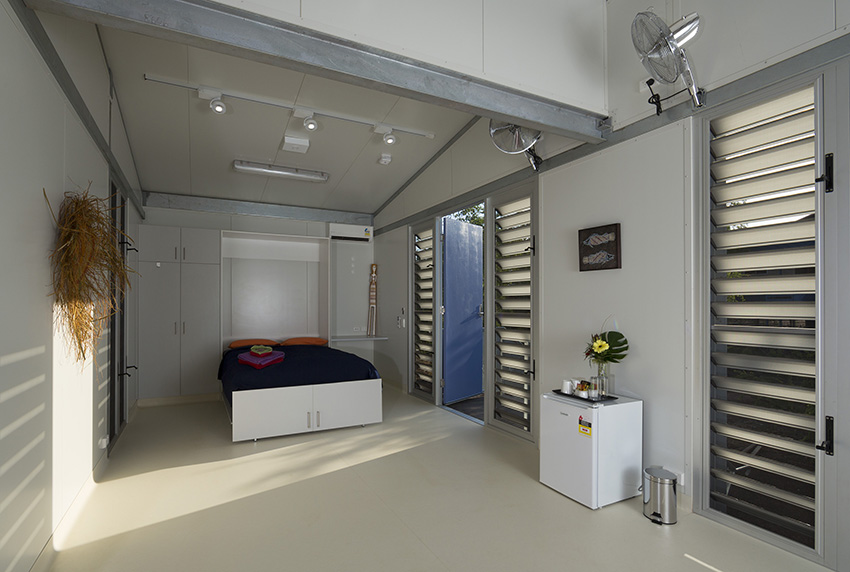
At the other end of the scale, Djakanimba Pavilions by Insideout Architects, the winner of the inaugural Nicholas Murcutt Award for Small Project Architecture, took a modest budget and created an adaptable cultural space that is helping to drive regeneration and growth to the local Indigenous community of Beswick, Northern Territory.

‘These projects offer a legacy of positive urban spaces, connections and approaches that will influence how their cities function and are perceived,’ Shelley Penn commented.

Awarded projects include:

Western Australia’s Perth Arena by ARM & CCN – Joint Venture Architects, which received the Sir Zelman Cowen Award for Public Architecture, the Institute’s most prestigious award for an architecture project.

A weekender along Victoria’s Great Ocean Road, Fairhaven Residence, designed by John Wardle Architects took out the Residential Architecture – Houses category, winning the coveted Robin Boyd Award.

Parliament House by Mitchell Giurgola and Thorp, which was celebrated with the National Enduring Architecture Award, 24 years after winning the Sir Zelman Cowen Award for Public Architecture, The symbolic Australian masterpiece reached its 25 year milestone this year, qualifying for the award.

In addition, for the first time in the Awards’ history, a social housing project has been selected as the most outstanding piece of Residential Architecture – Multiple Housing. MGS Architects took home the award for their McIntyre Drive Social Housing Altona project, impressing the jury with its ‘verve, skill and serious social commitment’.


THE COLORBOND® AWARD FOR STEEL ARCHITECTURE

The COLORBOND® Award for Steel Architecture

  • Waterloo Youth Family Community CentreCollins and Turner with City of Sydney (NSW)

The COLORBOND® Award for Steel Architecture – Commendation

  • West Kimberley Regional PrisonTAG Architects and iredale pedersen hook architects; Architects in Association (WA)


COMMERCIAL ARCHITECTURE

The Harry Seidler Award for Commercial Architecture

  • Darling Quarter – Francis-Jones Morehen Thorp (fjmt) (NSW)

National Award for Commercial Architecture

  • Mountain Retreat Medical Clinic – Circa Morris-Nunn (Tas)

National Commendations for Commercial Architecture

  • Brookfield Place – HASSELL and Fitzpatrick + Partners (WA)
  • One One One Eagle Street – Cox Rayner Architects (Qld)


ENDURING ARCHITECTURE

The National Enduring Architecture Award

  • Parliament House – Mitchell Giurgola and Thorp 1988 (ACT)


HERITAGE

The Lachlan Macquarie Award for Heritage

  • Hamer Hall ARM Architecture (Vic)

National Award for Heritage

  • Good Shepherd Chapel Abbotsford Robert Simeoni Architects (Vic)


INTERIOR ARCHITECTURE

The Emil Sodersten Award for Interior Architecture

  • Perth Arena – ARM & CCN – Joint Venture Architects (WA)

National Awards for Interior Architecture

  • Hamer Hall – ARM Architecture (Vic)
  • Translational Research Institute – Wilson Architects ­­+ Donovan Hill; Architects in Association (Qld)

National Commendation for Interior Architecture

  • The Kinghorn Cancer Centre – BVN Donovan Hill (NSW)


INTERNATIONAL ARCHITECTURE

The Jørn Utzon Award for International Architecture

  • Australia House  Andrew Burns Architect with Atelier Imamu and Atelier Sotaro Yamamoto (Japan)

Award for International Architecture

  • Finding Country Exhibition 13th Venice Architecture Biennale 2012 Kevin O’Brien Architects in association with the Finding Country Collective and Venti di Cultura (Italy / Qld)


PUBLIC ARCHITECTURE

The Sir Zelman Cowen Award for Public Architecture

  • Perth Arena – ARM & CCN – Joint Venture Architects (WA)

National Awards for Public Architecture

  • Queen Elizabeth II Courts of Law – Architectus in association with Guymer Bailey Architects (Qld)
  • RMIT Design Hub – Sean Godsell Architects in association with Peddle Thorp Architects (Vic)
  • Swanston Academic Building – Lyons (Vic)
  • Translational Research Institute – Wilson Architects ­­+ Donovan Hill; Architects in Association (Qld)
  • Waterloo Youth Family Community Centre – Collins and Turner with City of Sydney (NSW)
  • West Kimberley Regional Prison – TAG Architects and iredale pedersen hook architects; Architects in Association (WA)

National Commendations for Public Architecture

  • Hamer Hall – ARM Architecture (Vic)
  • The Braggs University of Adelaide – BVN Donovan Hill & Hames Sharley in association (SA)
  • The Kinghorn Cancer Centre – BVN Donovan Hill (NSW)


RESIDENTIAL ARCHITECTURE – HOUSES

The Robin Boyd Award for Residential Architecture – Houses

  • Fairhaven Residence – John Wardle Architects (Vic)

National Awards for Residential Architecture – Houses

  • Edward Street House – Sean Godsell Architects (Vic)
  • Tír na nÓg – Drew Heath Architects (NSW)

National Commendations for Residential Architecture – Houses

  • (-) Glass House – Charles Wright Architects (Qld)
  • Balmain House – Fox Johnston (NSW)
  • Bisley Place House – James Russell Architect (Qld)


RESIDENTIAL ARCHITECTURE – MULTIPLE HOUSING

The Frederick Romberg Award for Residential Architecture – Multiple Housing

  • McIntyre Drive Social Housing Altona – MGS Architects (Vic)

National Awards for Residential Architecture – Multiple Housing

  • 29-35 Prince Street Cronulla – Candalepas Associates (NSW)
  • Constance Street Affordable Housing – Cox Rayner Architects (Qld)


SMALL PROJECT ARCHITECTURE

The Nicholas Murcutt Award for Small Project Architecture

  • Djakanimba Pavilions – Insideout Architects (NT)

National Awards for Small Project Architecture

  • 7th Heaven, Ormond College – Nest Architects (Vic)
  • Art Gallery of NSW Forecourt Upgrade – Johnson Pilton Walker (NSW)
  • Keperra House – A-CH (Atelier Chen Hung) (Qld)

National Commendations for Small Project Architecture

  • Abbotsford Convent Breezeway – Jackson Clements Burrows (Vic)
  • Third Wave Kiosk – Tony Hobba Architects (Vic)


SUSTAINABLE ARCHITECTURE

The David Oppenheim Award for Sustainable Architecture

  • West Kimberley Regional Prison – TAG Architects and iredale pedersen hook architects; Architects in Association (WA)

National Award for Sustainable Architecture

  • Waterloo Youth Family Community Centre – Collins and Turner with City of Sydney (NSW)

National Commendations for Sustainable Architecture

  • (-) Glass House – Charles Wright Architects (Qld)
  • Constance Street Affordable Housing – Cox Rayner Architects (Qld)
  • Darling Quarter – Francis-Jones Morehen Thorp (fjmt) with ASPECT Studios, Lend Lease, E.G.O. Group and Davenport Campbell (NSW)
  • Djakanimba Pavilions – Insideout Architects (NT)
  • One One One Eagle Street– Cox Rayner Architects (Qld)


URBAN DESIGN

The Walter Burley Griffin Award for Urban Design

  • Revitalising Central Dandenong: Lonsdale Street Redevelopment – BKK/TCL Partnership (Vic)

National Awards for Urban Design

  • Flinders Street Revitalisation – Cox Rayner Architects (Qld)
  • GASP Stage 1 – Room 11 Studio (Tas)

National Commendations for Urban Design

  • 2 & 4 National Circuit Precinct – Fender Katsalidis (ACT)
  • Brookfield Place – HASSELL and Fitzpatrick + Partners (WA)
  • Darling Quarter – Francis-Jones Morehen Thorp (fjmt) with ASPECT Studios and Lend Lease (NSW)
  • Hamer Hall – ARM Architecture (Vic)
  • Pitt Street Mall Public Domain Upgrade – Tony Caro Architecture (NSW)


2013 JURY

Shelley Penn – Immediate Past President of the Institute, Shelley Penn Architect (Chair)

Richard Hassell – WOHA Founder and Director

Ben Hewett – South Australian Government Architect

Hannah Tribe – Tribe Studio Founder and Director

Justine Clark – Architectural editor, writer and critic (Lay Juror)

Urban Design

The Walter Burley Griffin Award for Urban Design

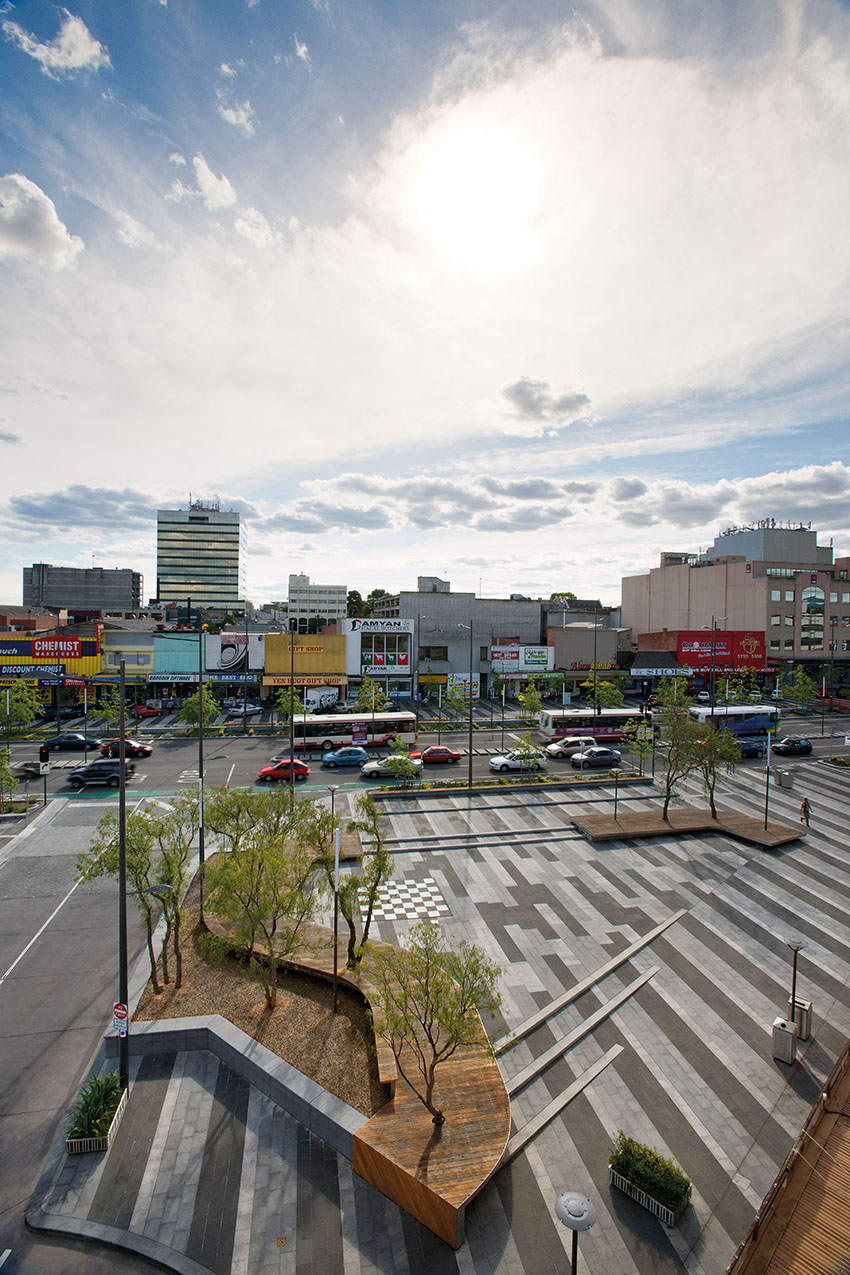
  • Revitalising Central Dandenong: Lonsdale Street Redevelopment – BKK/TCL Partnership (Vic)
Revitalising Central Dandenong by BKKTCL Partnership. Image: John Gollings

National Awards for Urban Design

  • Flinders Street Revitalisation – Cox Rayner Architects (Qld)
Flinders Street Revitalisation by Cox Rayner Architects. Image: Angus Martin
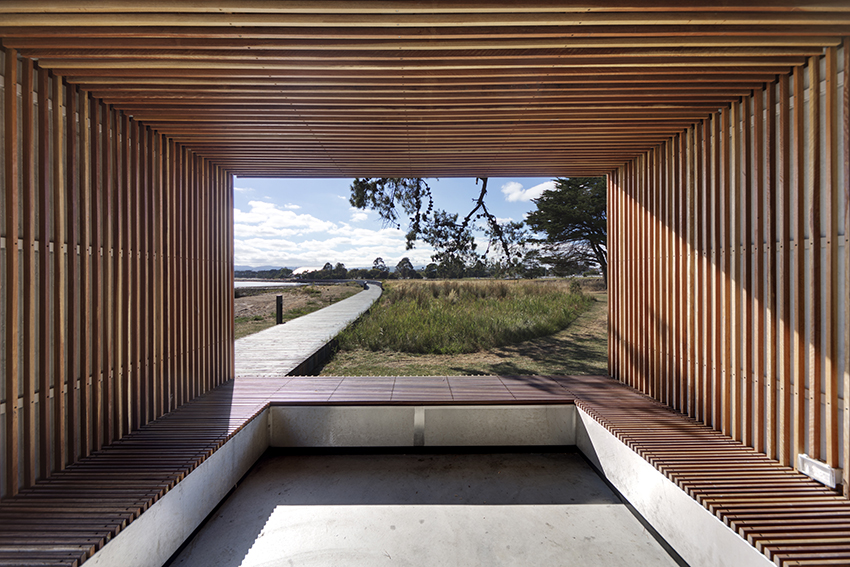
  • GASP Stage 1 – Room 11 Studio (Tas)
GASP Stage 1 by Room 11 Studio. Image: Ben Hoskins

National Commendations for Urban Design

  • 2 & 4 National Circuit Precinct – Fender Katsalidis (ACT)
  • Brookfield Place – HASSELL and Fitzpatrick + Partners (WA)
  • Darling Quarter – Francis-Jones Morehen Thorp (fjmt) with ASPECT Studios and Lend Lease (NSW)
  • Hamer Hall – ARM Architecture (Vic)
  • Pitt Street Mall Public Domain Upgrade – Tony Caro Architecture (NSW)

Sustainable Architecture

The David Oppenheim Award for Sustainable Architecture

  • West Kimberley Regional Prison – TAG Architects and iredale pedersen hook architects; Architects in Association (WA)
West Kimberley Regional Prison by TAG Architects and iredale pedersen hook architects. Image: Peter Bennetts

National Award for Sustainable Architecture

  • Waterloo Youth Family Community Centre – Collins and Turner with City of Sydney (NSW)
Waterloo Youth Family Community Centre by Collins and Turner with City of Sydney. Image: Richard Glover

National Commendations for Sustainable Architecture

  • (-) Glass House – Charles Wright Architects (Qld)
  • Constance Street Affordable Housing – Cox Rayner Architects (Qld)
  • Darling Quarter – Francis-Jones Morehen Thorp (fjmt) with ASPECT Studios, Lend Lease, E.G.O. Group and Davenport Campbell (NSW)
  • Djakanimba Pavilions – Insideout Architects (NT)
  • One One One Eagle Street– Cox Rayner Architects (Qld)

Small Project Architecture

The Nicholas Murcutt Award for Small Project Architecture

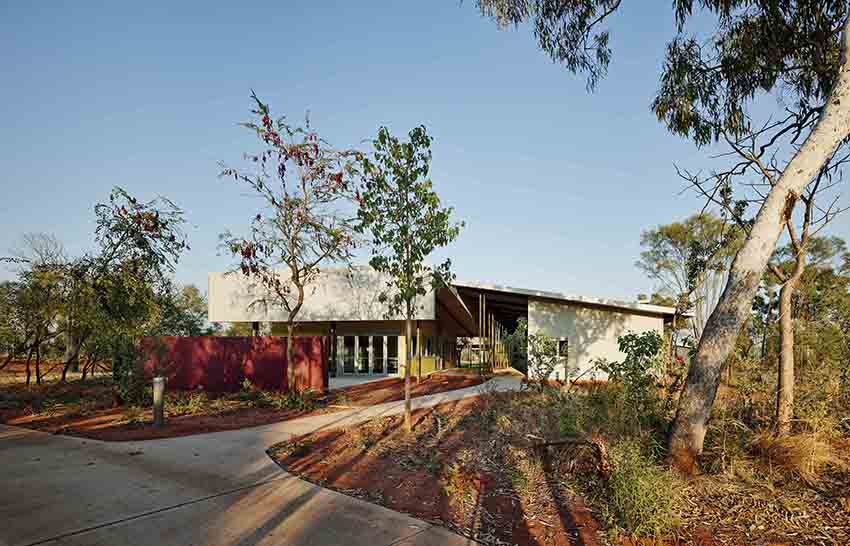
  • Djakanimba Pavilions – Insideout Architects (NT)
Djakanimba Pavilions by Insideout Architects. Image: Peter Eve, MonsoonStudio
Djakanimba Pavilions by Insideout Architects. Image: Peter Eve, Monsoon Studio

National Awards for Small Project Architecture

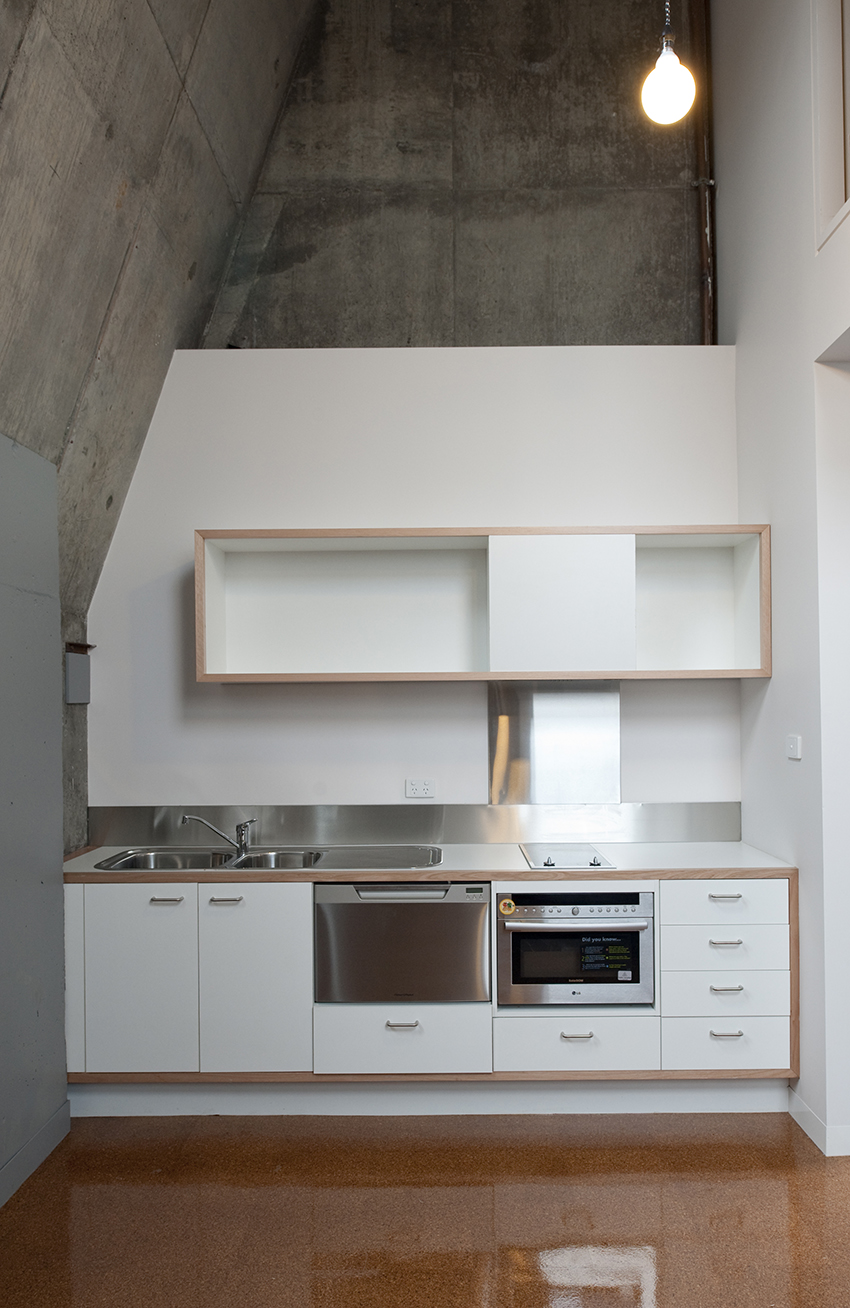
  • 7th Heaven, Ormond College – Nest Architects (Vic)
Seventh Heaven by Nest Architects. Image: Jesse Marlow
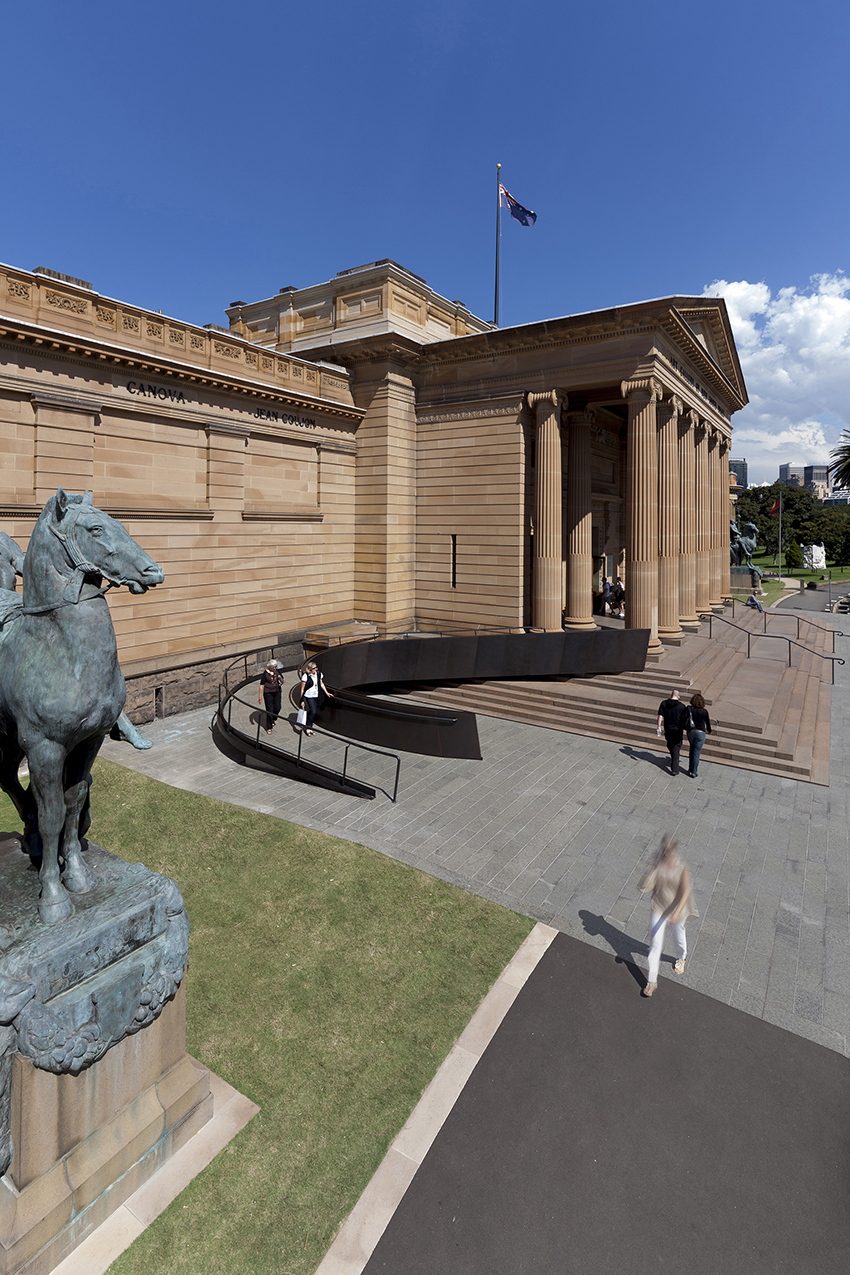
  • Art Gallery of NSW Forecourt Upgrade – Johnson Pilton Walker (NSW)
Art Gallery of NSW Forecourt by Johnson Pilton Walker. Image: Brett Boardman
  • Keperra House – A-CH (Atelier Chen Hung) (Qld)
Keperra House by ACH Atelier Chen Hung. Image: AliciaTaylor
Keperra House by ACH Atelier Chen Hung. Image: Alicia Taylor

National Commendations for Small Project Architecture

  • Abbotsford Convent Breezeway – Jackson Clements Burrows (Vic)
  • Third Wave Kiosk – Tony Hobba Architects (Vic)